Selling with Jeff

Posts by:

Jeff Borovitz

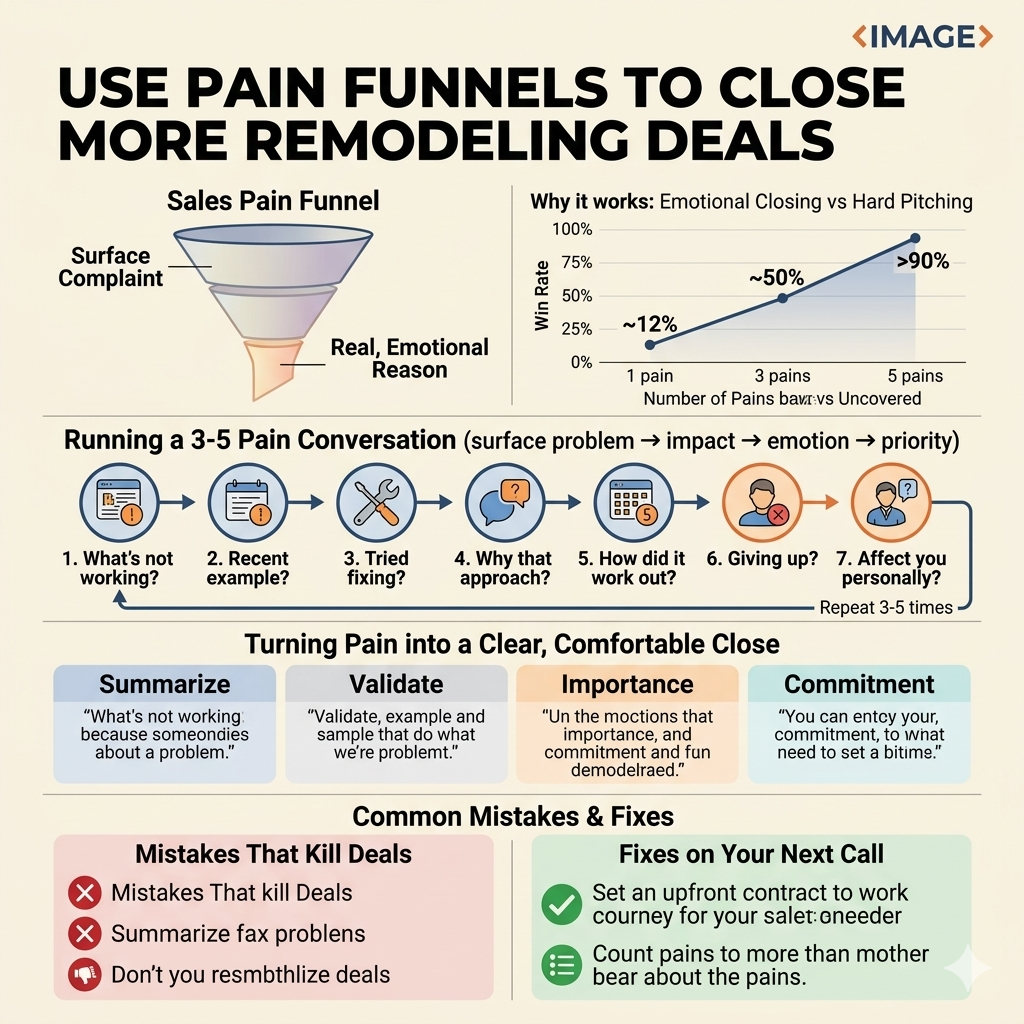
Digging for Pain in Small Remodeling Jobs

Why digging for pain matters even on small remodeling jobs

When remodelers dig for pain in small projects, they uncover the real reasons a homeowner wants the work done and can decide quickly whether the job fits their process, capacity, and margin targets. Even on a $20–30K job, clear pain makes pricing, scope, and next steps faster and prevents time‑wasting “free consulting.”

Read More

Handle “World Is Crazy” Objections Without Discounting

Why prospects freeze with “world is crazy” objections

When buyers say the world is crazy—wars, elections, gas prices, taxes—they’re usually not objecting to your price. They’re signaling fear and uncertainty. Your job is to understand that fear, reconnect them to the problems they asked you to solve, and help them make a clear, grown‑up decision.

Read More

Turn Call Recordings into a Sales Practice Engine

Why most sales teams under-practice and underperform

Most reps spend far more time performing than practicing. Yet teams using AI roleplay sales practice report close rates up to 36% higher, because they rehearse tough moments before real money is on the line. The win comes from short, consistent practice that feels like game speed, not theory.

Read More

From Pain to Budget: Stronger Remodeling Sales Calls

Start with pain before the tour to avoid weak investment talks

The fastest way to blow up an investment conversation is to skip, rush, or scatter your pain step. In remodeling sales, you must sit at the table and unpack why they called, what hurts, and how it affects daily life before you start the house tour or design talk.

Read More

Sales Follow-Up Mindset: Beyond “Three Tries Then Dead”

TFAR: The mindset model driving every sales follow-up

A strong sales follow-up mindset starts with TFAR: Thoughts → Feelings → Actions → Results. Change the thoughts you bring into a follow-up, and you change how you feel, what you do, and the outcomes you see. TFAR keeps you focused on what you can control: your thinking and behavior.

Read More