
Mastering the Pain Funnel: Key Strategies for Sales Success
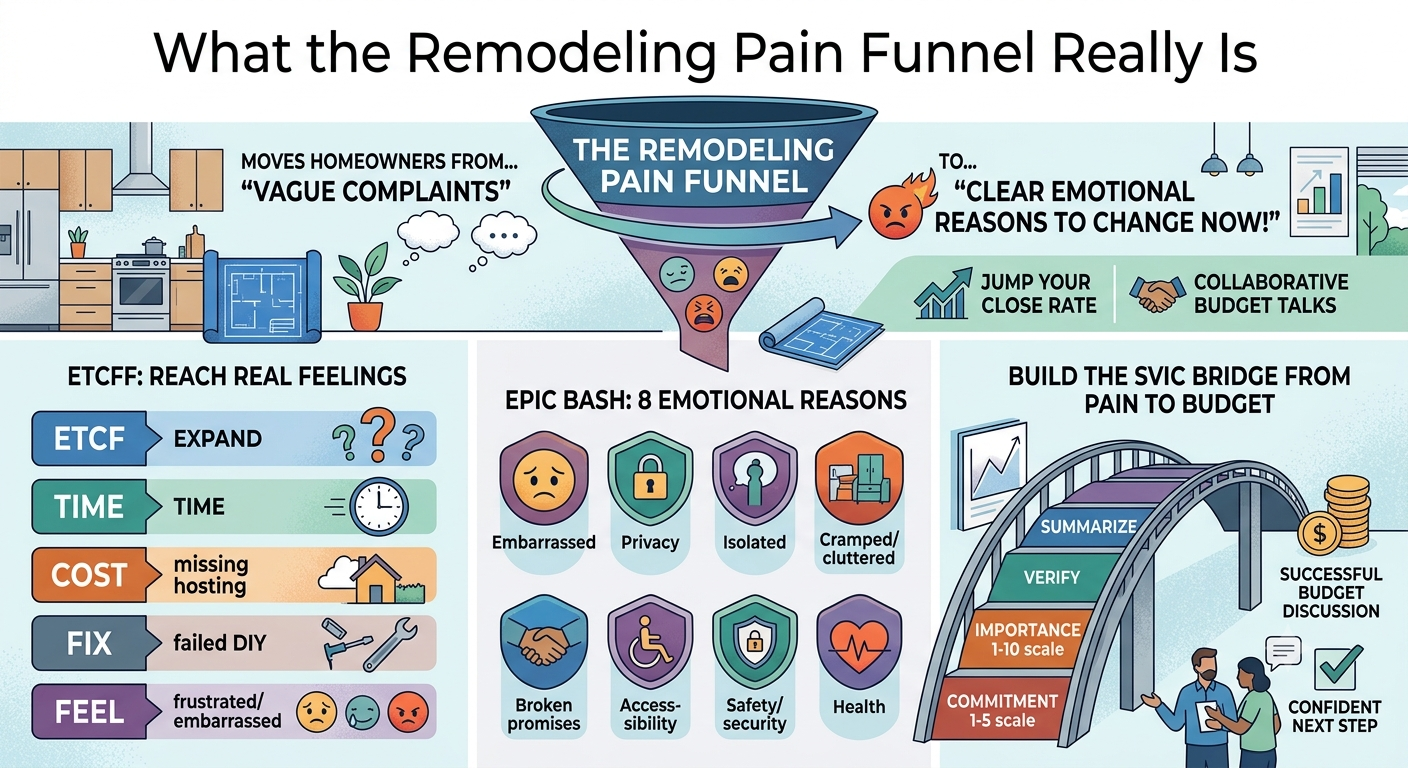
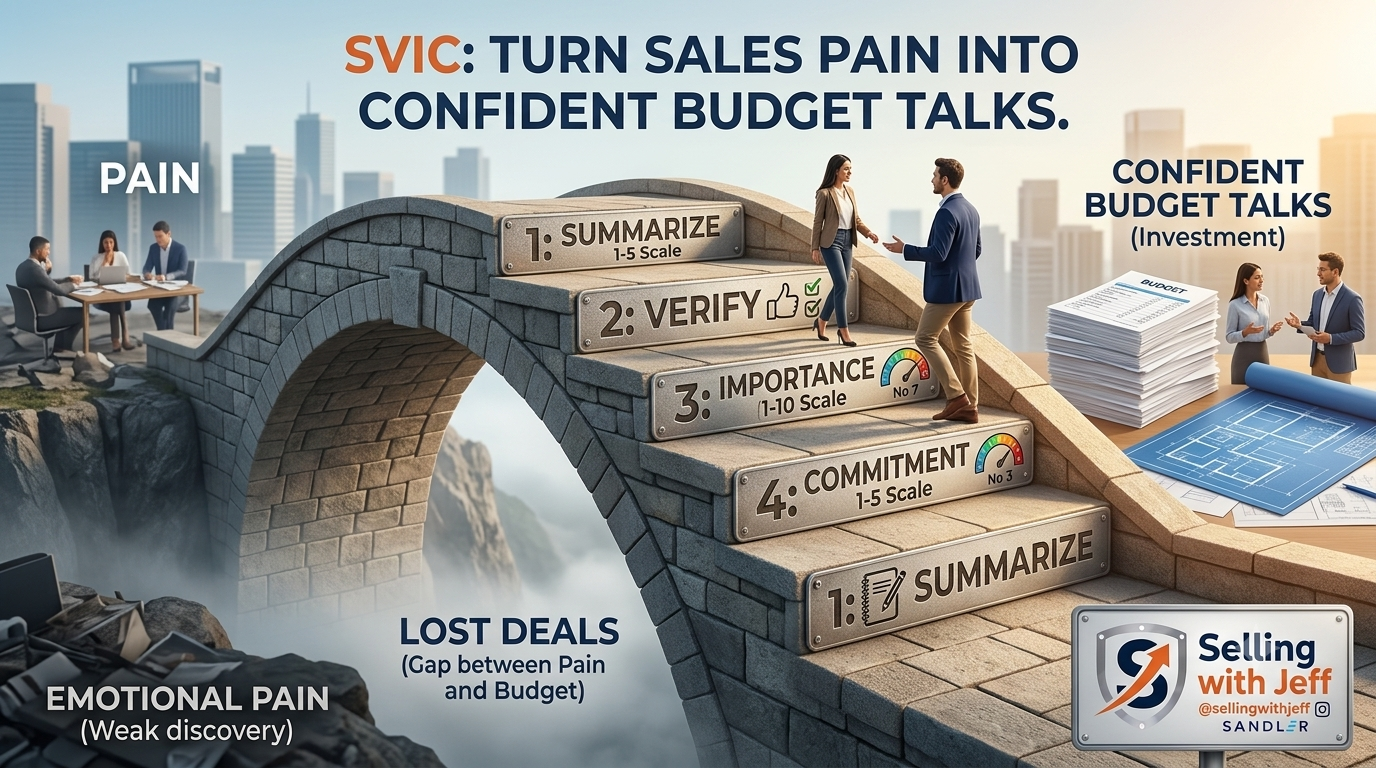
Unlock the power of the pain funnel to drive sales success by effectively identifying and addressing emotional triggers, asking insightful questions, and moving beyond surface-level pain.
Posts about:
Unlock the power of the pain funnel to drive sales success by effectively identifying and addressing emotional triggers, asking insightful questions, and moving beyond surface-level pain.
In the world of sales and design, understanding the client's pain points is crucial for building strong relationships and achieving successful outcomes. The pain funnel is an essential tool for identifying and addressing these pain points. By delving deep into the client's challenges, you can uncover the true motivations behind their decisions and tailor your approach to meet their specific needs.
In the world of sales, understanding what drives client decisions is paramount. Emotional triggers are powerful influencers that can significantly impact buying behavior. By identifying and leveraging these triggers, sales professionals can create a more compelling and personalized sales approach. Emotional triggers are the underlying reasons that compel a client to make a change. Recognizing these allows you to connect with clients on a deeper level, fostering trust and driving successful outcomes.
In the high-stakes world of sales, even seasoned professionals can stumble. Understanding and correcting common sales mistakes can significantly enhance your approach, build stronger client relationships, and close more deals. Here, we delve into crucial steps such as maintaining a strong PALO (Purpose, Agenda, Logistics, Outcome), staying in the pain funnel, asking the right questions, handling the budget step effectively, and delivering a focused presentation.
One of the most common mistakes salespeople make is setting a weak agenda. Effective agenda-setting is key to a productive sales meeting. A strong agenda provides clarity and sets expectations for both parties. Avoid vague statements like, "We'll see what we want to do next." Instead, be specific: "At the end of today, we will decide whether to sign the participation agreement."