
Mastering Client Budget Conversations for Successful Design Projects
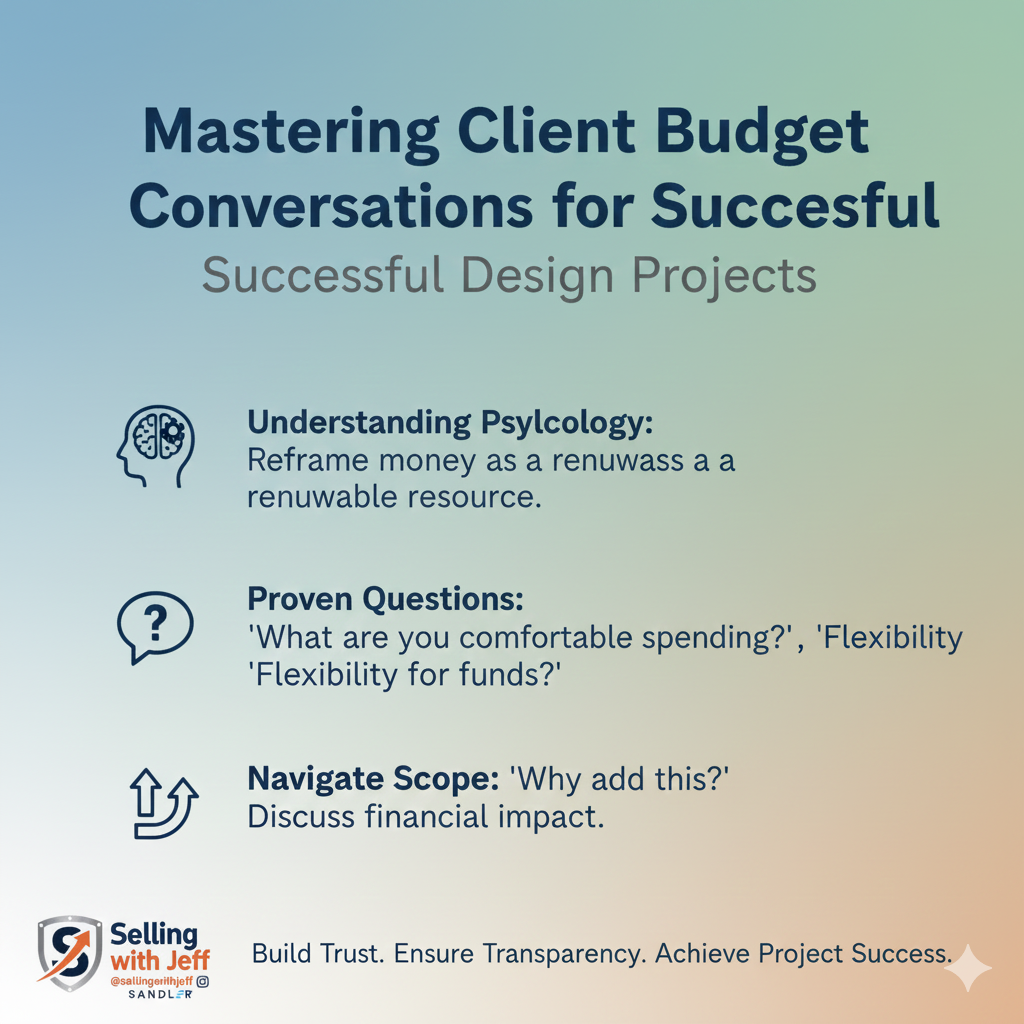
Explore the critical steps and strategies for effectively discussing budget with clients in the design industry to ensure clear communication and successful project conversions.
Understanding the Psychology Behind Money Conversations
Discussing money can be one of the most challenging aspects of client interactions in the design industry. From a young age, many of us are conditioned to believe that talking about money is impolite or taboo. This early programming often leads to discomfort and avoidance when it comes to financial discussions. However, to ensure project success, it's crucial to reframe our mindset around money.
Money should be viewed as a renewable resource rather than something scarce. This perspective shift allows for more open and productive conversations. When both designers and clients see money as a resource that can be managed and replenished, it diminishes the fear and anxiety that often accompany financial discussions. By addressing the psychological barriers head-on, we can pave the way for more transparent and stress-free budget conversations.
Implementing Proven Budget Questions
A successful budget conversation begins with the right questions. These questions need to be structured in a way that makes clients feel comfortable and understood. Here are some key questions to incorporate:
- "Have you given any thought to what you are willing, able, and comfortable to spend on this project?" This question sets the stage for an open dialogue about finances.
- "What makes you want to add this feature?" Understanding the client's motivation helps in aligning the design with their vision.
- "Let's pretend the cost exceeds your initial budget; is there flexibility to find additional funds?" This helps in understanding the client's financial flexibility without making them feel pressured.
These questions, when asked confidently and empathetically, can uncover the necessary financial details and set realistic expectations for both parties. They also help in avoiding scope creep and ensure that any additional features are discussed in the context of their financial impact.
Navigating Scope Changes with Confidence
Scope changes are inevitable in design projects. Clients may want to add new features or make adjustments that were not part of the original plan. Handling these changes confidently and transparently is key to maintaining a good client relationship.
When a client requests a scope change, instead of immediately agreeing, ask them to explain their reasons. This not only shows that you value their input but also gives you insight into their priorities. Once you understand their motivations, discuss the financial implications. Use phrases like "What makes you want to do that?" and "Is there a way we could find more funds for this addition?" to guide the conversation.
By addressing scope changes with a structured approach, you can manage client expectations and ensure that all parties are on the same page regarding the project's budget and timeline.
Building Trust for Better Client Relationships
Trust is the cornerstone of any successful client-designer relationship. The more your clients trust you, the more comfortable they will be discussing their finances. Building this trust starts with transparency and clear communication.
Show your clients that you are driven by their best interests. Be upfront about costs and be willing to discuss any financial concerns they have. Share stories or examples of how you've successfully managed budgets in past projects. This not only demonstrates your expertise but also reassures clients that their money is being well-spent.
Remember, trust is built over time. Consistently delivering on promises, being transparent about costs, and showing genuine interest in the client's vision will strengthen your relationship and lead to more successful project outcomes.
In conclusion, mastering client budget conversations is essential for successful design projects. By understanding the psychology behind money, asking the right questions, confidently navigating scope changes, and building trust, you can ensure clear communication and client satisfaction.