
Handle “I need to run it by…” without losing the deal
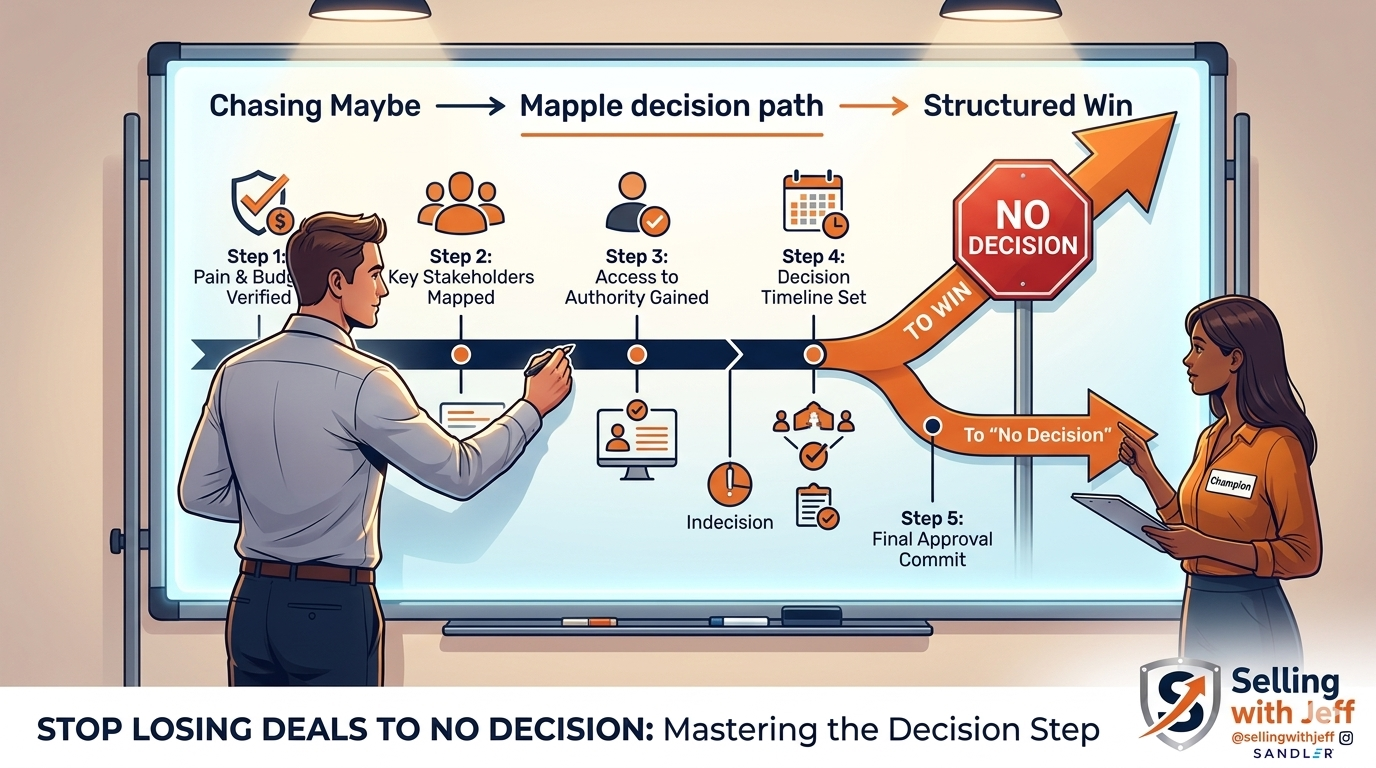
When a homeowner or commercial client says they just need to “run it by” someone else, the fastest way to protect the sale is to sell to multiple decision makers on purpose. Slow the call down, confirm their personal commitment, then either bring the other stakeholders into a meeting or coach your contact to represent your solution.
In remodeling, this usually sounds like “I’ll run it by my spouse,” “I’ve got to send it to corporate,” or “our architect needs to weigh in.” The pain is real, the budget is there, but the deal stalls because you’re not in the room when the real decision happens.
Recent research shows why this is so risky. A 2026 review of Gartner and Forrester data reports that typical B2B buying groups now involve 6–10 decision-makers, and often 13 internal stakeholders for complex purchases like software and construction projects (Keendai). More people means more chances for a silent “no.”
Instead of accepting “I’ll run it by them,” test how serious your contact really is. Pass the baton of power: “Say this decision were entirely up to you and budget wasn’t an issue—what would you do?” If they answer with an enthusiastic “I’d move forward,” you’ve found a champion worth coaching. If they hesitate, you’re not ready to leave them to sell your project internally.
Questions that uncover the real remodeling decision process
Most remodelers ask, “Are you the decision-maker?” That question is loaded and often gets you a polite lie. A better approach is to map the whole decision step by asking, “How do you and your family typically make decisions about big projects like this?” or, in commercial work, “How does your organization usually decide on a project like this?”
These “how” questions invite a story instead of a yes/no answer. Listen for who gets mentioned (spouse, partner, finance, facilities, architect), what order they’re involved in, and where past projects bogged down. If they say, “I choose the contractor, then my partner signs off,” you already know you need both people involved before you present final pricing.
Build a short checklist of decision-process questions you use on every qualified opportunity: who is involved, what they care about, when each step happens, how contracts are signed, and how success will be judged. Studies of thousands of sales calls show that deals where reps set clear next steps are far more likely to close than deals without defined commitments (Gong data cited by Sandler). These questions earn the right to those next steps.
Use third-party stories to go deeper without sounding confrontational. For example: “Other builders we work with found that if the CFO wasn’t in the second meeting, projects sat for weeks in legal. How does it usually go in your world?” Now you’re helping them avoid risk, not just pushing for access.
Coach your champion for internal meetings you’ll never attend
Sometimes you simply cannot get the spouse, board, or corporate office onto a call. When that happens, treat your contact like an internal salesperson who needs training, not a messenger you hope will “get it right.” Research on complex deals shows that when buying groups include six or more people, purchase likelihood can drop from 81% to 31% because the group can’t reach agreement (WinCoach). Your coaching can be the difference.
Start by rehearsing likely questions: “What do you think your partner will ask first?” “What might finance or the board push back on?” Write these down together. Then ask, “What will you say when they raise that?” You’re not scripting a speech; you’re building confidence and clarity.
Next, co-create a simple pre-proposal: a short summary of the pain, the desired outcome, timeline, investment range, and what happens next. Email it to your champion and invite edits before anything goes to the wider group. When they’ve put their fingerprints on it, they’re far more invested in seeing it approved.
Finally, set an “if/then” next step: “If the group agrees this solves the problem and the numbers fit, what happens next? Can we pencil in a quick follow-up for Thursday either way?” This keeps you in control of the process, even when you’re not in the room, and turns “I’ll run it by them” from a stall into a clear, trackable step in your sales pipeline.