
Improving Client Communication And Decision-Making In Sales: A Professional Guide
Posts about:
Improving Client Communication And Decision-Making In Sales: A Professional Guide
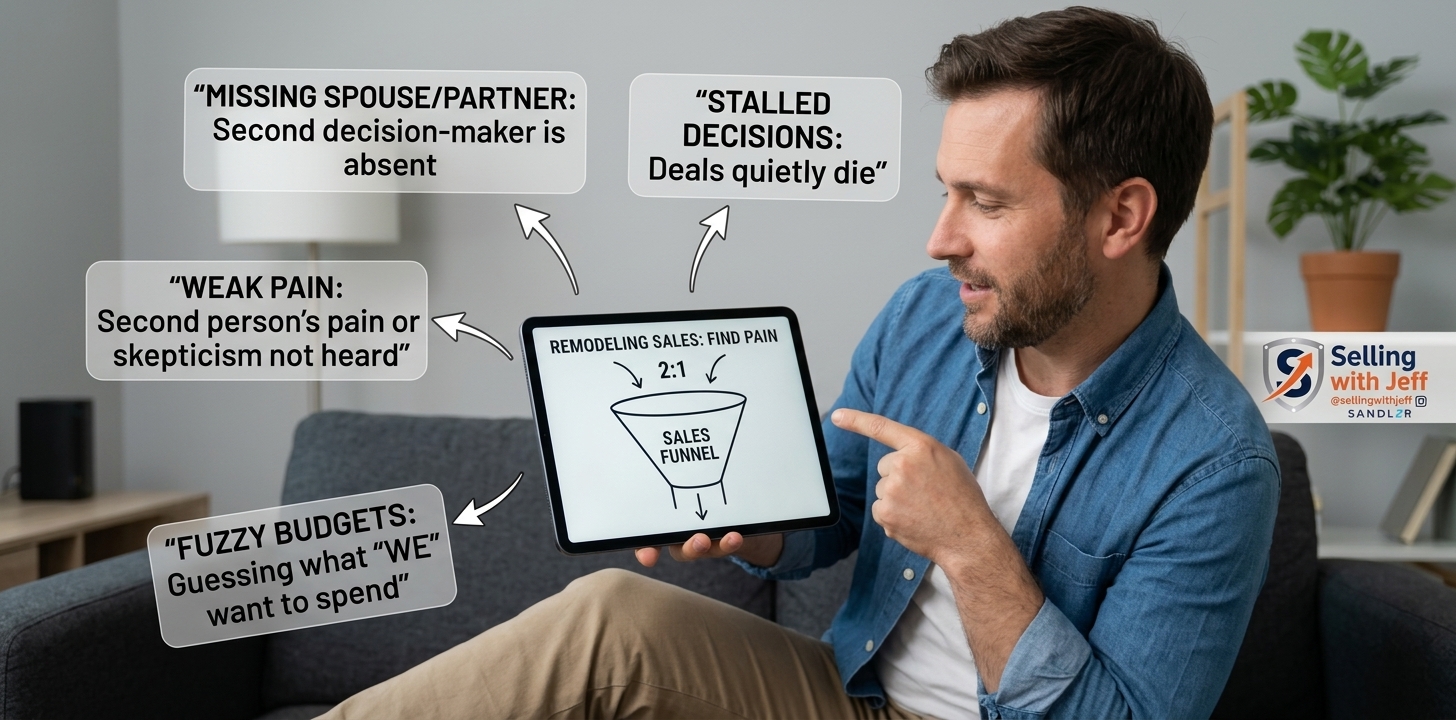
In the fast-paced world of sales, understanding how clients make decisions is paramount. It's not just about knowing what the client needs but also about comprehending the intricate decision-making process that leads them to choose your product or service. According to seasoned Sandler trainers, the decision-making phase is a critical yet often overlooked step in the sales process. Many sales professionals rush through this phase, focusing solely on presenting solutions without fully grasping the client's decision-making criteria.
In the dynamic world of sales, understanding how your prospects make decisions is paramount. The decision-making process is a critical step within the Sandler Selling System that can significantly influence your success rate. This process is not about getting the client to make a decision on the spot but about understanding the intricate ways they arrive at their decisions. By comprehending the factors that drive your prospects' choices, you can tailor your sales approach to align with their unique decision-making frameworks, ultimately fostering trust and increasing your chances of closing deals.
In the world of sales, understanding what drives client decisions is paramount. Emotional triggers are powerful influencers that can significantly impact buying behavior. By identifying and leveraging these triggers, sales professionals can create a more compelling and personalized sales approach. Emotional triggers are the underlying reasons that compel a client to make a change. Recognizing these allows you to connect with clients on a deeper level, fostering trust and driving successful outcomes.
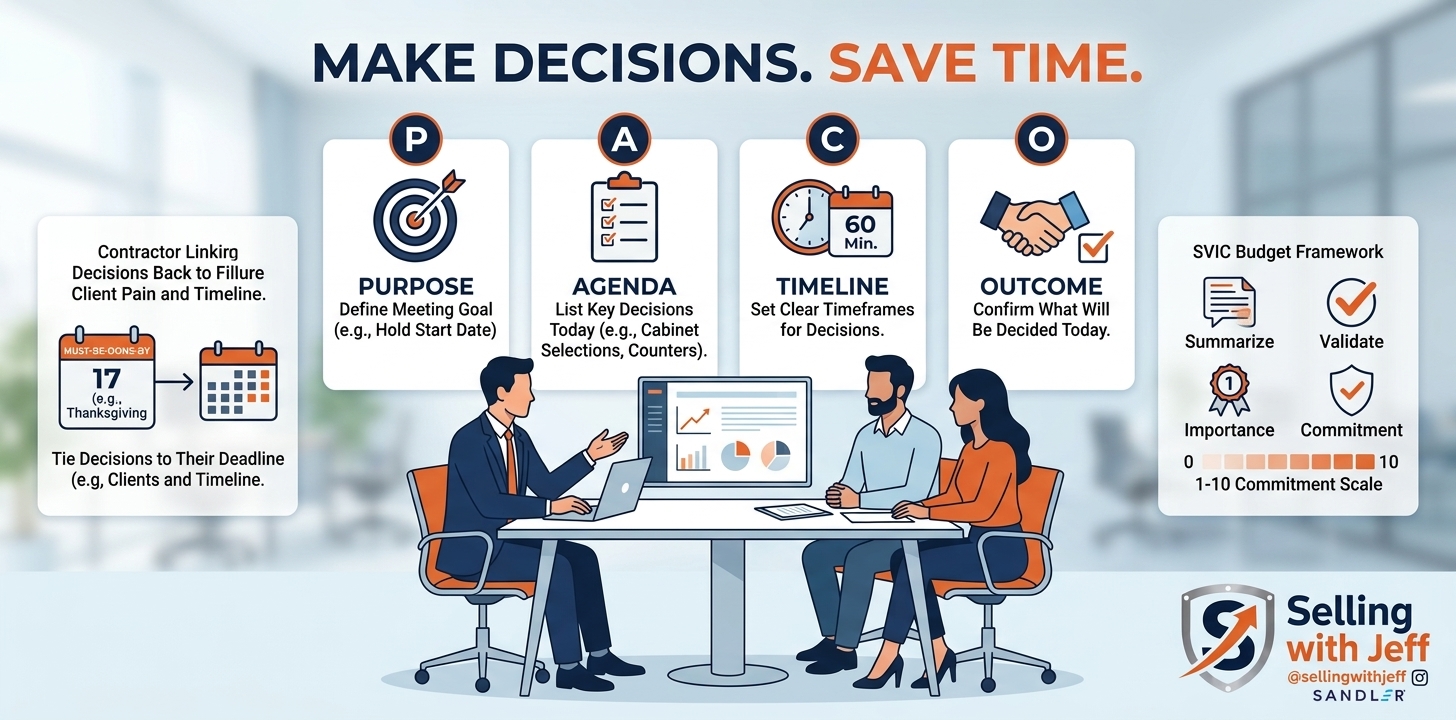
In the Sandler Training methodology, obtaining a decision is a pivotal step in the fulfillment process. The primary goal of any presentation is to secure a decision, whether it's a yes or a no, rather than a vague "let me think about it." This clarity ensures that both parties are on the same page and can move forward effectively. To achieve this, it's crucial to understand the decision-making process of your prospect. Ask questions about who is involved in the decision, what criteria they use, and the timeline for making the decision. By doing so, you can tailor your presentation to address these specific needs and reduce the chances of ambiguity.