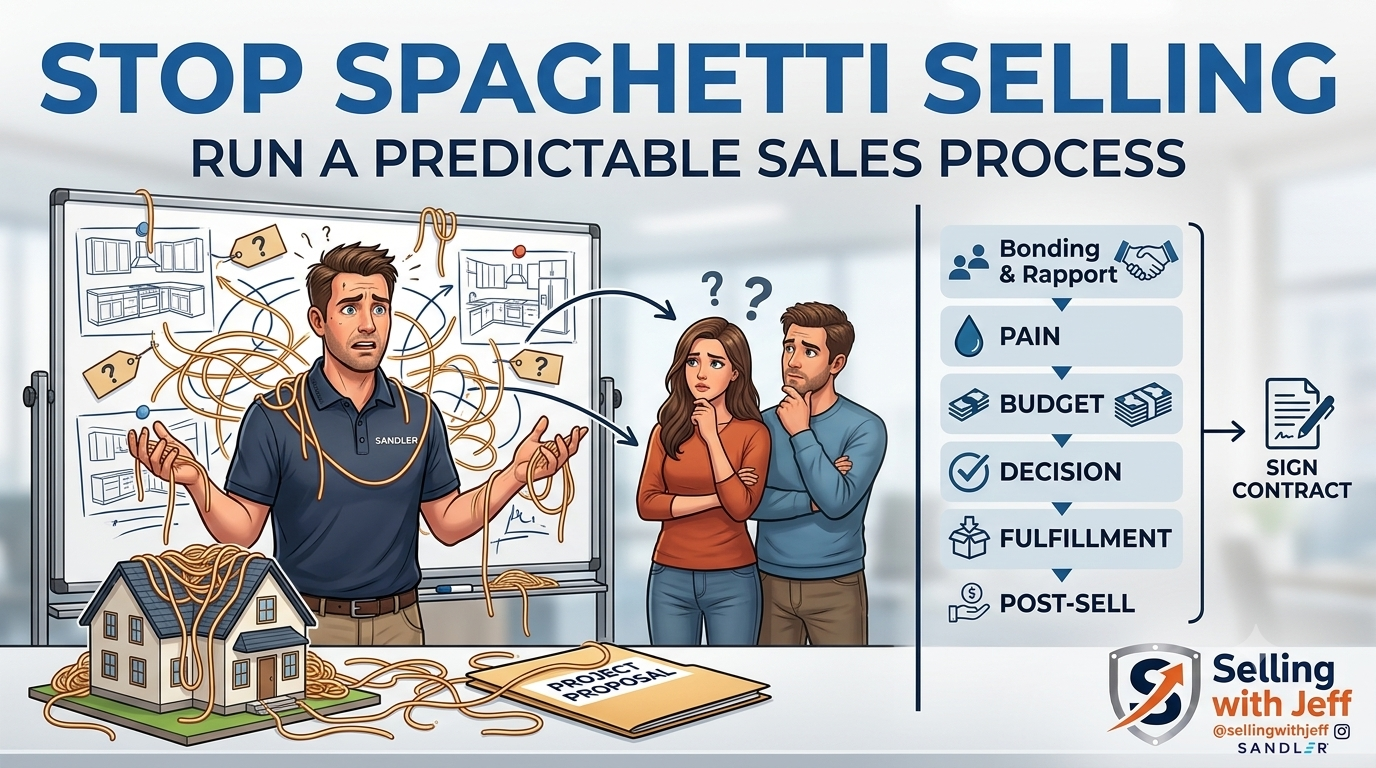
Mastering the Decision Step in Your Sales Process

Unlock the Secrets to a Successful Decision Step in Your Sales Process with Proven Strategies and Techniques
The Importance of Micro-Decisions in Sales
In the realm of sales, the decision step isn't just a single, monumental moment. It's a series of micro-decisions that gradually build towards a final commitment. Each interaction, each question, and each piece of information shared contributes to the prospect’s journey towards a decision. By recognizing and strategically guiding these micro-decisions, sales professionals can create a smoother, more predictable path to closing deals.
A key concept here is ensuring that each step in your sales process ends with a clear, mutually agreed-upon next step. This approach not only maintains momentum but also reinforces the prospect's commitment at each stage. For instance, after an initial meeting, securing agreement on a follow-up meeting is a small but crucial decision that keeps the process moving forward.
Handling Objections with Confidence
Objections are a natural part of the sales process, and handling them with confidence is crucial. At Sandler Training SF Bay Area, we view objections as opportunities to understand the prospect’s concerns more deeply. One effective technique is to use the "third-party story" approach. By sharing a relatable anecdote about another client who had similar concerns, you can address objections without seeming defensive.
Another important strategy is to break down objections into smaller parts to understand them better. For example, if a prospect says your price is too high, ask if they mean they literally don't have the budget, or if they struggle to see the value for the cost. This nuanced approach helps you address the real issue and build trust.
The Two-Minute Drill: Preparing for Success
Preparation is key to mastering the decision step, and the two-minute drill is an excellent tool for sales professionals. Before any meeting or call, take a brief moment to clarify four critical elements: the purpose of the meeting, the desired outcome, the prospect’s potential pains, and their DISC profile.
Understanding the purpose and desired outcome ensures that you and the prospect are aligned on the meeting's goals. Anticipating their pains allows you to address concerns proactively. Knowing their DISC profile (Dominance, Influence, Steadiness, Conscientiousness) helps tailor your communication style to their personality, making your interaction more effective.
Leveraging Third-Party Stories to Build Trust
Building trust is essential in sales, and third-party stories are a powerful tool in this regard. These stories allow you to convey key points through the experiences of others, making your message more relatable and less confrontational.
For instance, if a prospect is hesitant about committing due to fear of making the wrong decision, you might share a story about a previous client who had similar reservations but ultimately saw great success. This technique not only alleviates concerns but also demonstrates your track record of delivering value.
By integrating these strategies into your sales process, you can master the decision step and enhance your ability to close deals effectively. Remember, each interaction is an opportunity to build towards a final decision, and with the right approach, you can guide your prospects confidently towards a successful outcome.