Uncovering Hidden Sales Pain: The Key to Closing Bigger Deals
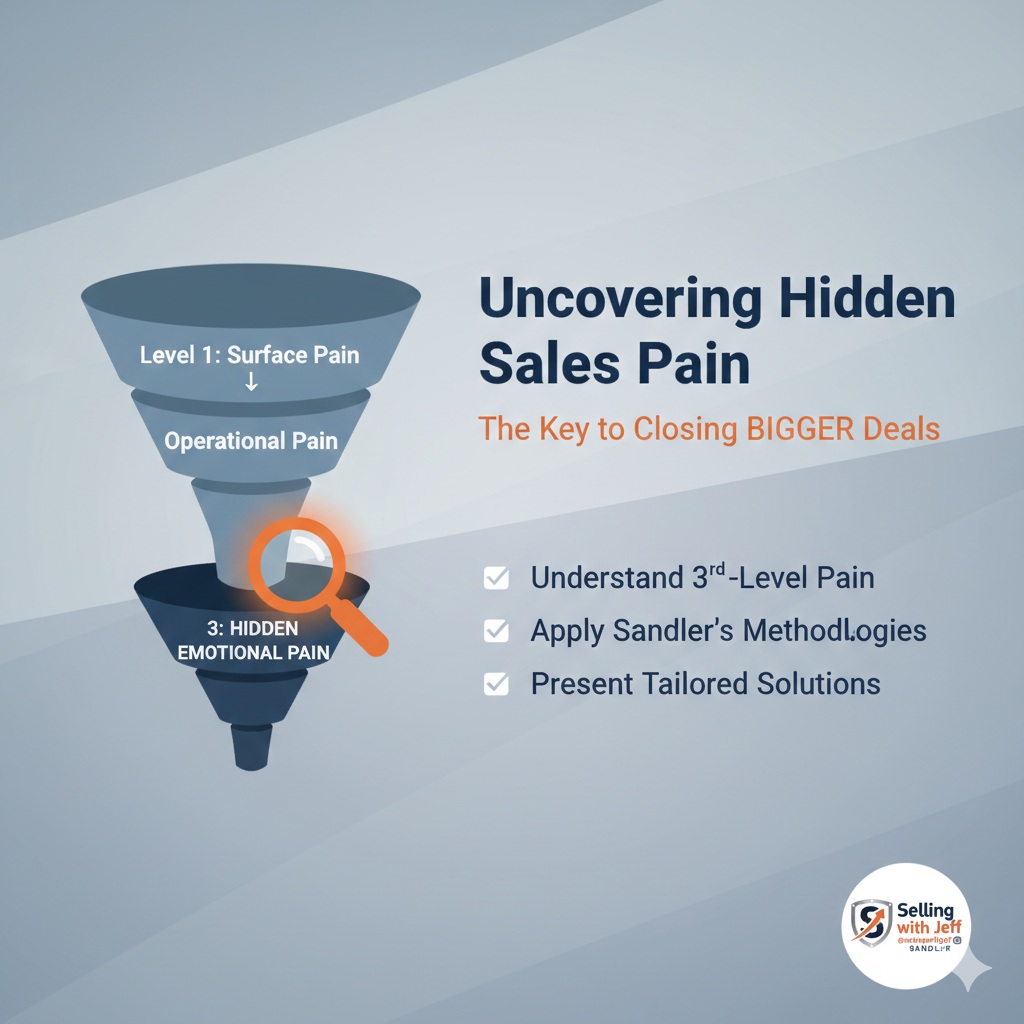
Understanding Third-Level Pain Points
In the world of sales, identifying pain points is crucial, but uncovering third-level pain points can be transformative. Third-level pain points go beyond surface-level issues and delve into the core emotional and psychological challenges your prospects face. These are the deep-seated pains that significantly impact their day-to-day lives and business operations.
For example, as illustrated in a story about a young baseball player named Eli, his father's decision to buy an expensive bat rather than investing in batting lessons highlighted a deeper pain. The father wasn't addressing Eli's need to learn proper batting techniques but was instead trying to alleviate his own embarrassment over his son's performance. This third-level pain—embarrassment—greatly influenced his purchasing decision.
Why Addressing Hidden Pain is Critical for Sales Success
Addressing hidden, third-level pain points is critical for sales success because it allows you to connect with your prospects on a deeper, more meaningful level. When you understand the true challenges they face, you can tailor your solutions to meet their specific needs, creating a stronger bond and trust.
Prospects are more likely to invest in a solution that genuinely addresses their core issues. They will spend substantial amounts of money to resolve these deep-rooted pains. By identifying these pain points, you can turn a modest budget into a significant investment, as demonstrated by a remodeler who turned a $20,000 budget into an $86,000 project by addressing the client's core pains effectively.
Applying Sandler's Methodologies to Uncover True Challenges
Sandler Training's proven methodologies are designed to help sales professionals uncover these third-level pain points. The process involves asking targeted questions that go beyond the surface to reveal the underlying issues.
Using the Pain Funnel, a series of strategic questions, you can guide your prospects to articulate their deeper pains. Questions like, "How is this problem impacting your daily operations?" and "What have you tried to do to solve it?" are designed to elicit responses that reveal true challenges. The goal is to be naturally curious and empathetic, allowing your prospects to feel heard and understood.
Moreover, Sandler's methodologies emphasize the importance of labeling emotions. For instance, if a prospect mentions that their outdated kitchen prevents them from entertaining guests, you might label this emotion by saying, "That sounds really frustrating." This approach not only validates their feelings but also helps them own their pain, making them more likely to seek a solution.
Presenting Solutions that Drive Engagement and Conversions
Once you have identified and understood the third-level pain points, the next step is to present solutions that directly address these challenges. Tailor your proposals to highlight how your product or service alleviates their core pains. This personalized approach demonstrates that you genuinely care about solving their problems, not just making a sale.
For instance, if a prospect's primary pain point is the lack of team collaboration due to outdated communication tools, present your solution by emphasizing features that enhance collaboration and streamline workflows. Show real-world examples and case studies that illustrate how your solution has helped similar organizations overcome the same challenges.
By aligning your solutions with their deepest pains, you create compelling value propositions that resonate with your prospects. This approach not only drives engagement but also significantly increases your chances of closing bigger deals.
In conclusion, uncovering and addressing third-level pain points is the key to transforming your sales approach. By applying Sandler's methodologies, you can reveal the true challenges your prospects face and present tailored solutions that drive higher engagement and conversions. This strategy not only enhances your sales success but also positions you as a trusted advisor in the eyes of your clients.