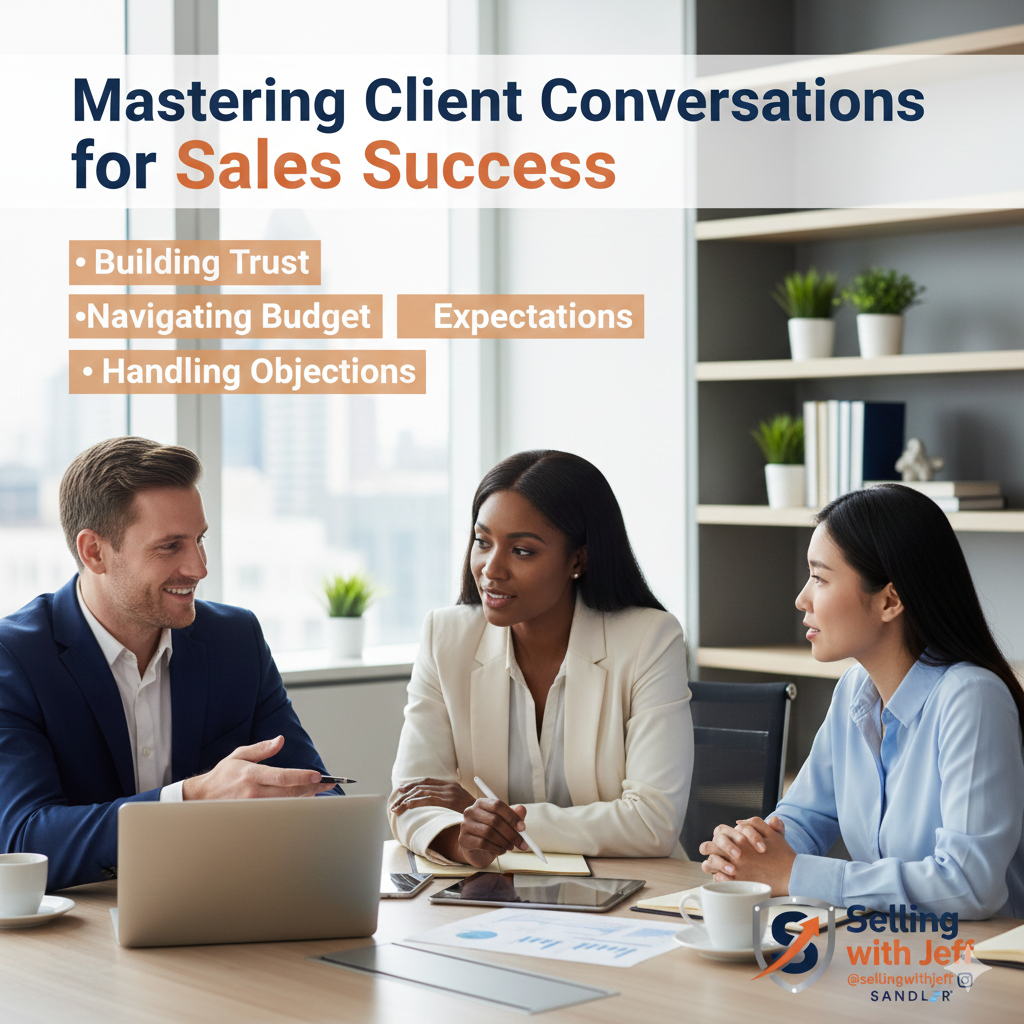
Mastering Client Conversations: Asking the Right Questions

Understanding the Importance of Strategic Questioning
Strategic questioning is a fundamental aspect of any successful sales process. By asking the right questions, sales professionals can uncover essential information, understand client needs, and ultimately guide conversations in a direction that benefits both parties. This approach not only builds stronger relationships but also positions the salesperson as a trusted advisor rather than a mere vendor.
In sales, the person asking the questions is the one in control of the conversation. This control allows sales professionals to steer discussions, gather critical data, and address potential objections before they arise. By mastering the art of strategic questioning, sales teams can significantly improve their ability to close deals and build lasting client relationships.
Techniques for Effective Questioning in Sales
Effective questioning techniques are crucial for gathering valuable insights from clients. One proven method is the Sandler Training approach, which emphasizes open-ended questions that encourage detailed responses. Questions like "Can you tell me more about your current challenges?" or "What are your long-term goals for this project?" invite clients to share in-depth information that can be used to tailor solutions specifically to their needs.
Additionally, it's essential to practice active listening. This means not only hearing the client's words but also understanding the underlying emotions and motivations. By paying attention to both verbal and non-verbal cues, sales professionals can ask follow-up questions that delve deeper into the client's situation, uncovering pain points and opportunities that may not be immediately apparent.
Overcoming Common Challenges in Client Conversations
While strategic questioning is powerful, it comes with its own set of challenges. One common issue is dealing with clients who are hesitant to share information. In such cases, building rapport and establishing trust is critical. Starting with less intrusive questions and gradually progressing to more specific ones can help clients feel more comfortable and open up over time.
Another challenge is managing client expectations, particularly around budget discussions. It's essential to approach these conversations with sensitivity and a focus on being a good steward of the client's resources. Asking questions like "What are you willing, able, and comfortable to spend on this project?" helps set clear expectations and ensures that the proposed solutions align with the client's financial capabilities.
Implementing Sandler's Proven Methodologies for Success
Sandler Training's methodologies offer a structured approach to mastering strategic questioning. One key concept is the 70/30 rule, which suggests that clients should do 70% of the talking during a sales conversation. This allows sales professionals to gather more information and understand the client's needs better.
Another vital aspect is pre-call planning, which involves preparing a comprehensive list of questions tailored to each client interaction. This preparation ensures that sales conversations are focused and productive, leading to more effective outcomes. Additionally, leveraging tools like CRM-embedded coaching and AI-driven insights can further enhance the questioning process, providing real-time guidance and support.
Incorporating these methodologies into your sales process can lead to significant improvements in client engagement, deal qualification, and overall sales performance. By mastering the art of asking the right questions, sales professionals can transform their approach, build stronger relationships, and achieve greater success.
Unlock the power of strategic questioning to transform your sales process and build stronger client relationships. Through effective techniques, overcoming challenges, and implementing proven methodologies, you can elevate your sales conversations and drive better outcomes.