How To Improve Your Sales Process With Effective Training: A Professional And Human Approach
How To Improve Your Sales Process With Effective Training: A Professional And Human Approach
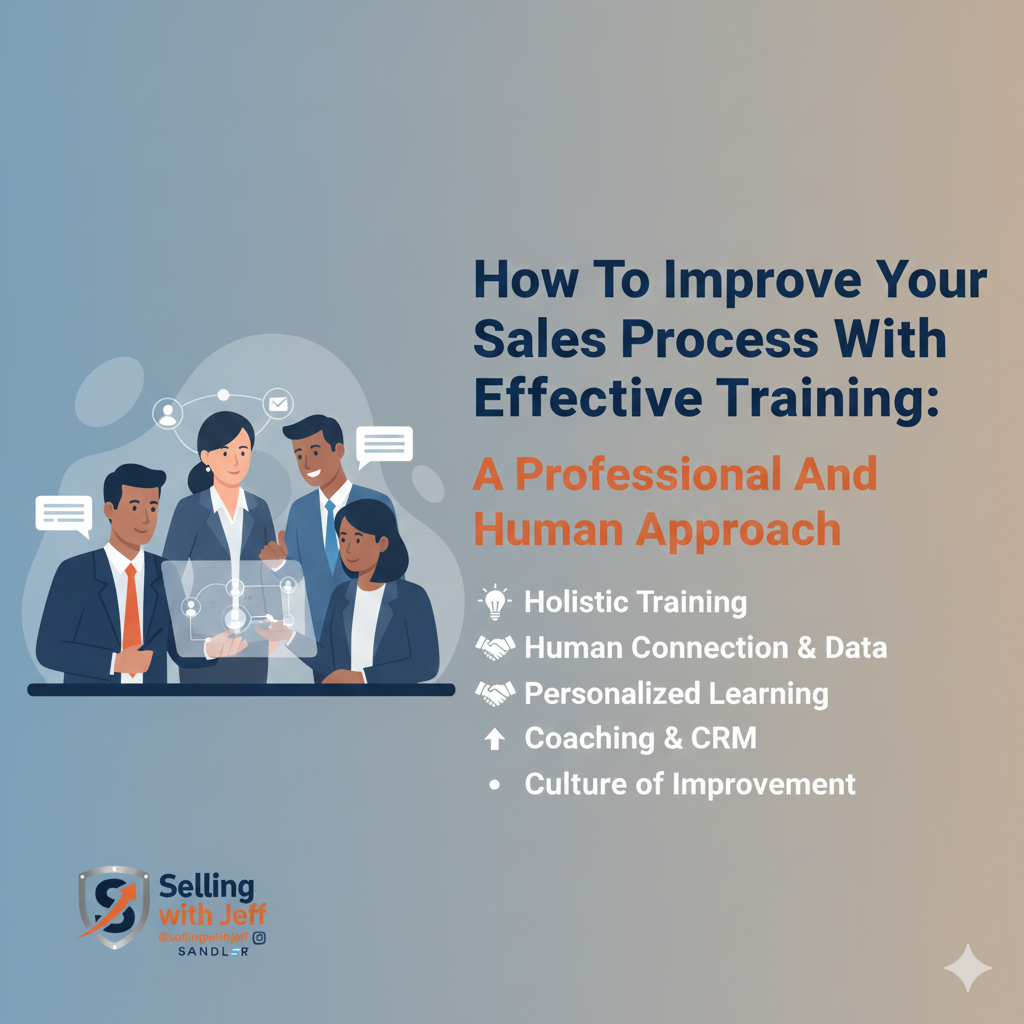
Transforming Sales Teams Through Holistic Training
In today’s rapidly changing sales landscape, transactional approaches and one-size-fits-all training are no longer enough. Sales teams that thrive are those equipped with holistic training—combining proven methodologies, real-world practice, and a genuine focus on human interaction. At Sandler Training SF Bay Area, we believe that transformation starts with a complete system, not just sporadic workshops. Our process ensures that every team member, from new hires to seasoned reps, learns not only the mechanics of selling but also how to build authentic connections and navigate complex deals.
By integrating foundational elements such as bonding, rapport, and structured questioning frameworks like PALO (Purpose, Agenda, Logistics, Outcome), teams establish trust with prospects, uncover true needs, and set the stage for collaborative decision-making. This approach not only increases close rates, but also elevates the overall customer experience.
Bridging Human Connection and Data-Driven Sales Enablement
The modern sales professional must balance empathy and insight with data-driven enablement. While CRM platforms and call intelligence tools deliver powerful analytics, it’s the ability to connect on a human level—to ask the right questions, listen actively, and adapt to each buyer’s context—that ultimately wins deals. Our training programs blend these two worlds, helping sales teams leverage technology to prepare for every interaction, while also developing the emotional intelligence necessary for high-value conversations.
We equip your team to move beyond surface-level discovery, using structured frameworks like the pain funnel to reveal underlying challenges and motivations. This ensures that every interaction is purposeful, relevant, and tailored—building trust and driving progress through the sales cycle.
Personalized Learning Paths for Sustainable Skill Development
No two sales professionals—or organizations—are exactly alike. That’s why effective sales training must be personalized and adaptable. Sandler’s Sales Development Series provides modular, multi-modal learning paths that combine instructor-led training, self-paced modules, and ongoing reinforcement. This flexibility ensures that each individual develops the precise skills needed to address their unique challenges, whether in prospecting, discovery, closing, or account expansion.
Personalized development is not a luxury in modern enterprise sales—it’s a necessity for building durable habits and expertise. Our approach allows teams to benchmark progress, identify skill gaps, and continuously refine their approach to meet evolving business objectives.
Reinforcement, Coaching, and CRM Integration for Real-World Results
Knowledge fades without reinforcement. Sustainable sales performance improvement requires ongoing coaching, actionable feedback, and embedded support in daily workflows. Sandler Reinforcement Services—including AI-driven roleplay coaching, CRM-embedded guidance, and call intelligence—ensure that training doesn’t end at the classroom door. Instead, your team receives real-time support and actionable insights exactly when and where they need them.
By integrating training with CRM systems like HubSpot, we simplify adoption and maximize impact. Salespeople receive context-sensitive prompts and reminders, making it easier to apply new skills, qualify opportunities, and follow a consistent process. Managers, meanwhile, gain visibility into performance and can coach in the moment—driving higher win rates and shorter sales cycles.
Cultivating a Culture of Continuous Improvement and Collaboration
High-performing sales teams aren’t just collections of talented individuals—they’re collaborative communities committed to constant growth. At Sandler Training SF Bay Area, we foster a culture where feedback, roleplay, and open discussion are the norm. It’s not about memorizing scripts; it’s about building the confidence to ask insightful questions, challenge assumptions, and learn from every interaction.
We encourage teams to regularly revisit their belief systems, share best practices, and volunteer for new challenges. This collaborative mindset ensures that training translates into real-world results—and that every team member feels empowered to contribute to a culture of excellence. In today’s competitive market, this spirit of continuous improvement is the ultimate differentiator.