Handling Common Client Objections: A Guide For Sales Trainers
Handling Common Client Objections: A Guide For Sales Trainers
Understanding the Psychology Behind Client Objections
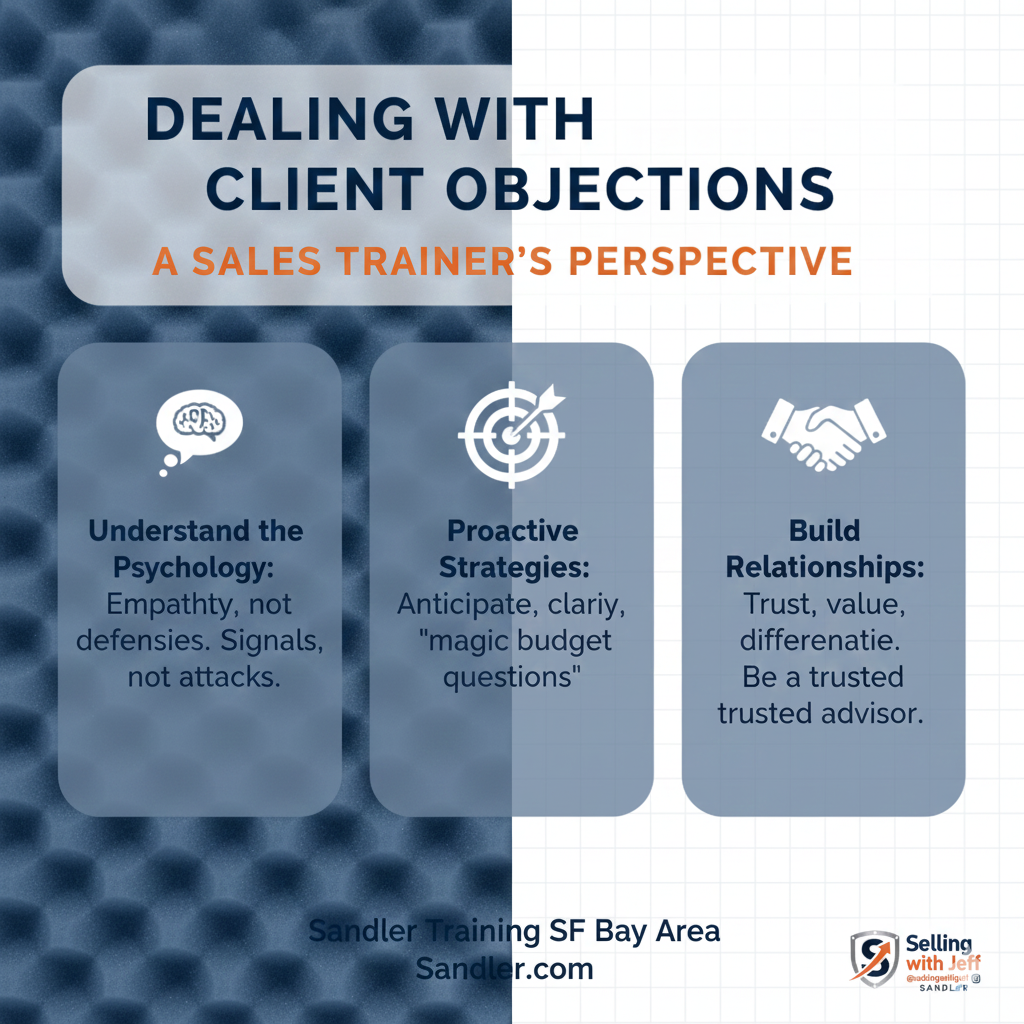
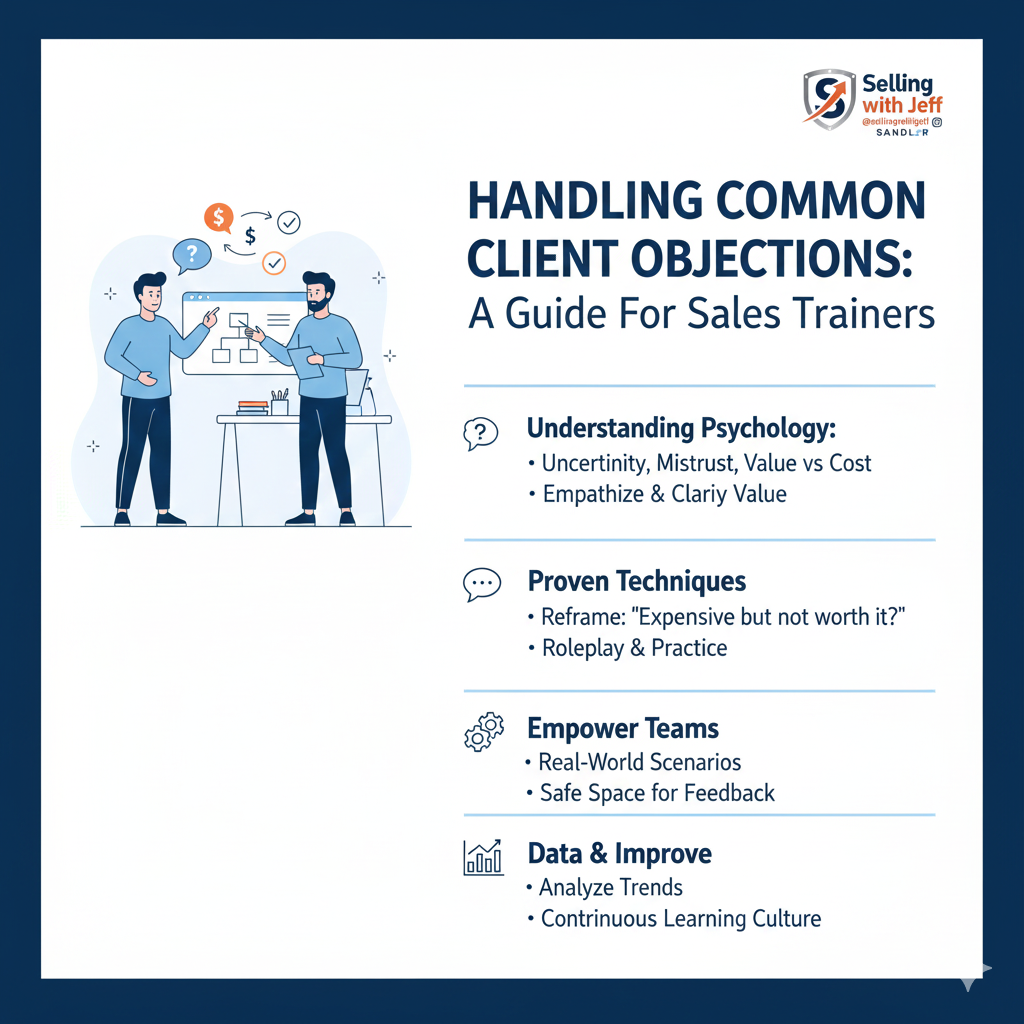
Every sales professional encounters client objections—it’s an inevitable part of the consultative sales process. But to respond effectively, sales trainers must first understand the underlying psychology. Objections typically stem from uncertainty, lack of trust, or a perceived mismatch between value and cost. These concerns, while often voiced as surface-level questions (e.g., "Why are you so expensive?"), mask deeper anxieties about risk, decision-making, and outcomes.
Empathizing with clients and recognizing the emotional context behind their questions is key. Instead of viewing objections as barriers, effective sales trainers see them as opportunities to clarify, reinforce value, and build stronger client relationships. This mindset shift is the foundation of turning resistance into engagement.
Proven Techniques to Address and Reframe Objections
The most successful sales trainers equip their teams with proven, repeatable frameworks for objection handling. For example, when a client questions your pricing, rather than immediately defending your numbers, express gratitude for the question and ask, "Have you ever heard we’re expensive but not worth it?" This approach reframes the conversation from price alone to value delivered, prompting the client to consider what truly matters.
Roleplay and practice are essential. Trainers should emphasize that the first time objection-handling techniques are used should not be with a live client; practice builds confidence and ensures the message lands as intended. Questions like, "How did you arrive at your budget?" and "How would a breakdown help you?" invite clients to share their thinking, giving your team insight and control over the conversation.
Empowering Sales Teams with Roleplay and Real-World Scenarios
Sales training is most impactful when it bridges theory and practice. Incorporating live roleplay and real-world scenarios—mirroring challenges such as scope creep, indecisive customers, or requests for granular cost breakdowns—prepares sales professionals to respond naturally and confidently in client conversations.
Creating a safe environment for open discussion and roleplay allows sales teams to make mistakes, receive feedback, and refine their skills. Trainers should encourage honest sharing of "stumpers"—those client statements that leave reps without a ready answer—and use them as learning opportunities. This continuous, experiential approach to training leads to deeper mastery and better results.
Leveraging Data-Driven Insights for Objection Handling
In today’s competitive environment, data is a powerful ally for sales trainers. By analyzing objection trends, outcome data, and client feedback, trainers can identify recurring pain points and tailor their coaching to address real-world challenges. For instance, tools like Sandler Reinforcement Services offer AI-driven insights embedded in CRM platforms, helping sales teams anticipate and respond to objections in real time.
Data also supports a culture of accountability and measurable improvement. By tracking which techniques lead to higher close rates or better client retention, trainers can fine-tune their programs and demonstrate tangible ROI for their sales enablement efforts.
Building a Culture of Continuous Improvement in Sales Training
Client objections are dynamic, evolving with market conditions and buyer sophistication. The most successful sales organizations cultivate a culture of continuous improvement—one where lessons learned from every client interaction feed back into training and development.
Sales trainers should regularly solicit feedback from their teams, encourage the sharing of "lessons learned," and update playbooks with new insights. By reinforcing that objection handling is a skill to be honed over time, not a one-and-done exercise, trainers foster resilience, adaptability, and long-term sales success.