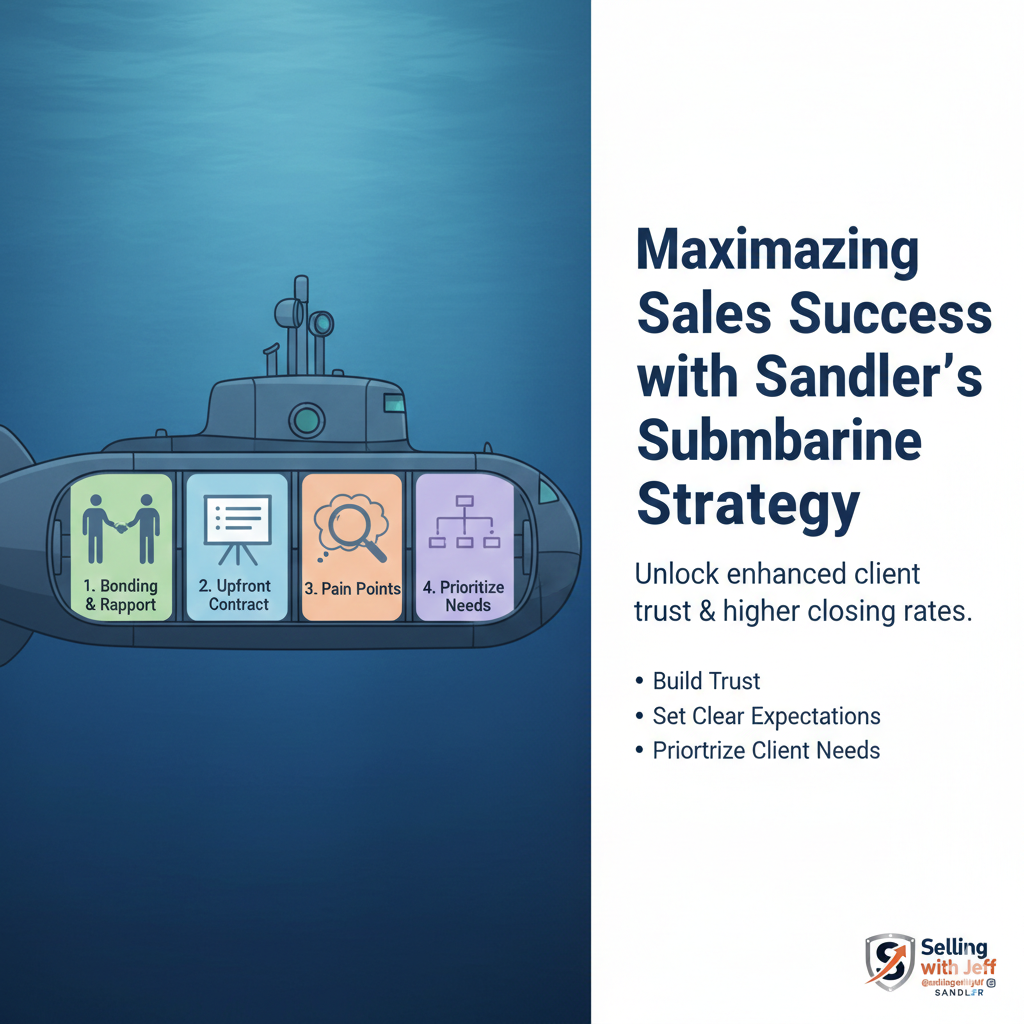
Mastering the Upfront Contract for Sales Success

Understanding the Upfront Contract: A Game Changer in Sales
In the competitive world of sales, having a structured approach can significantly impact your success. The upfront contract is a powerful Sandler technique designed to set clear expectations between the salesperson and the prospect from the very beginning. This method not only establishes mutual agreements but also reduces the chances of miscommunication, unpaid consulting, and wasted time.
The upfront contract ensures both parties are aligned on the meeting's objectives, duration, and potential outcomes. By doing so, it fosters trust and positions the salesperson as a professional who values both their own time and the prospect's. Implementing this technique can transform your sales process, leading to shorter sales cycles and improved win rates.
Initiating the Upfront Contract: Setting the Stage for Success
The first step to mastering the upfront contract is knowing how to initiate it effectively. When starting a sales conversation, it's crucial to establish the framework for the discussion. Begin by confirming the meeting's duration and asking the prospect what they hope to achieve. This not only shows respect for their time but also allows you to tailor the conversation to their needs.
For example, you might say, "Thanks for meeting with me today. We have 45 minutes scheduled. Does that still work for you? Great. What would you like to cover to make this a valuable use of your time?" This approach demonstrates professionalism and sets a collaborative tone. By addressing their needs upfront, you can better guide the conversation and ensure it stays on track.
Adapting and Modifying the Upfront Contract for Ongoing Meetings
While the initial upfront contract sets the stage, it's essential to adapt and modify it for subsequent meetings. As you progress through the sales cycle, the focus and dynamics of your conversations will evolve. For follow-up meetings, drop the salesperson's no and concentrate on the prospect's evolving needs and priorities.
During each meeting, revisit the initial contract briefly to ensure nothing has changed and confirm the agenda. This helps maintain alignment and keeps the prospect engaged. It's also a good practice to set clear, distinct futures (CDFs) at the end of each meeting. This involves scheduling the next meeting and outlining the objectives to ensure continuous progress.
Perfecting the Ultimate Upfront Contract to Close the Deal
In the final stages of the sales process, the ultimate upfront contract comes into play. This variation is designed to close the deal by setting very clear expectations for the final presentation. At the end of the penultimate meeting, confirm the decision-makers' attendance and outline the agenda for the next session, emphasizing the goal of reaching a final decision.
For instance, you might say, "Next week, we'll present our solution to address challenges A and B within your budget. If we miss the mark, please let us know. If it meets your needs, we'll discuss finalizing the contract and moving forward." This approach eliminates ambiguity and ensures that both parties are prepared for a decisive meeting.
By mastering the nuances of the upfront contract, you can transform your sales process, align with your prospects' expectations, and achieve measurable outcomes. Whether you're initiating, modifying, or perfecting this technique, the upfront contract is a game-changer that can significantly boost your sales success.