Effective Sales Training: Bridging Internal And External Communication
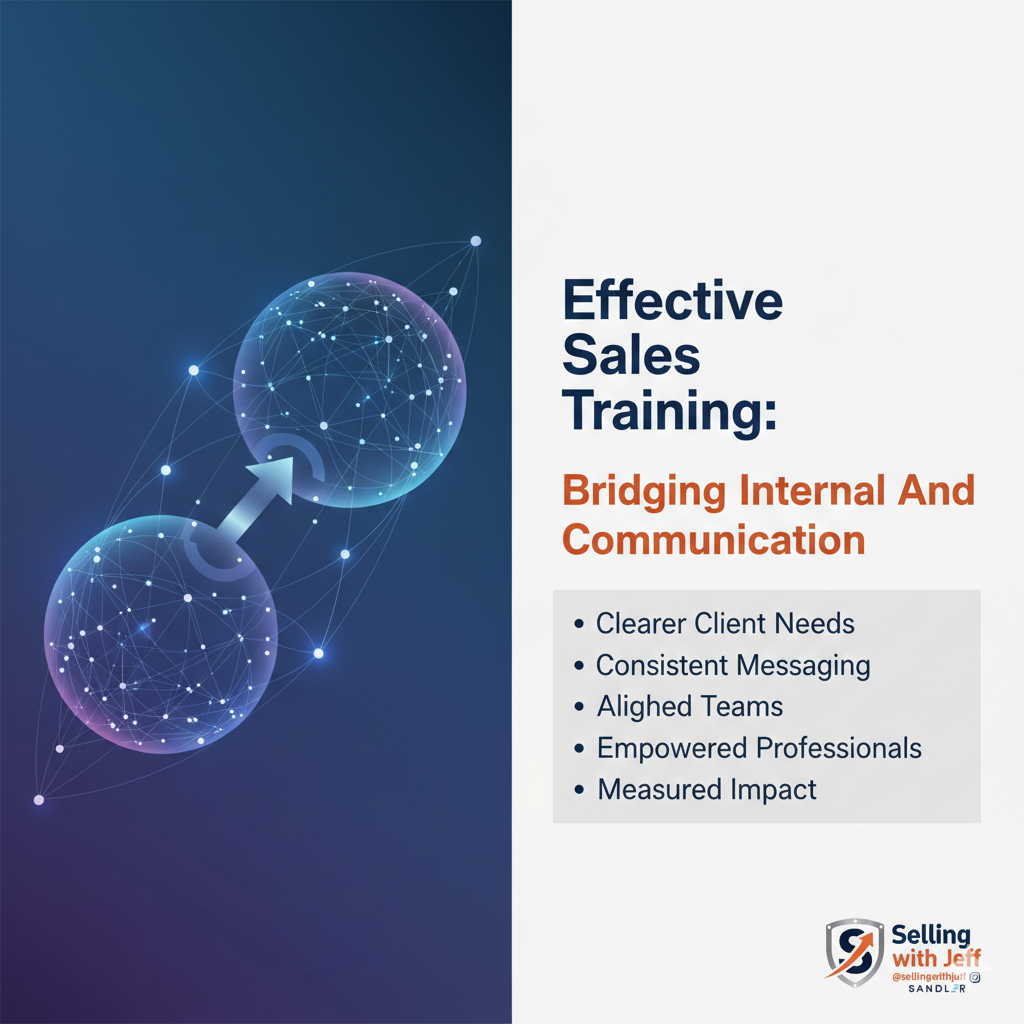
Effective Sales Training: Bridging Internal And External Communication
The Critical Role of Communication in Modern Sales Teams
In today's competitive sales landscape, communication is more than just a skill—it's a strategic asset. Modern sales teams operate in complex environments where clarity, consistency, and transparency are essential for driving results. Whether interacting with prospects, clients, or internal stakeholders, the quality of your conversations directly influences your sales outcomes.
Sales professionals who master the art of purposeful dialogue can uncover deeper client needs, build trust, and move opportunities forward efficiently. Effective communication ensures that everyone is aligned on objectives and expectations, reducing misunderstandings and accelerating the sales cycle.
Aligning Internal Teams for Consistent Client Messaging
Consistency in messaging is critical for building credibility and trust with clients. When internal teams—from sales to operations to leadership—are aligned, clients receive a seamless experience throughout their journey. This alignment starts with having clear, agreed-upon frameworks for meetings, such as Sandler's POLO (Purpose, Outcome, Logistics, and Open Dialogue) approach, so every interaction is purposeful and outcome-oriented.
Regular internal communication and recalibration sessions ensure everyone is updated on key priorities, client feedback, and evolving strategies. This not only boosts morale and engagement but also eliminates confusion, so your entire organization speaks with one voice when engaging clients.
Empowering Sales Professionals with Tools and Training
Sales excellence is built on a foundation of ongoing training and the right tools. Empowering your sales team means equipping them with proven methodologies, like the Sandler Selling System, and reinforcing those skills through technology and coaching. AI-driven reinforcement platforms, CRM-embedded guidance, and structured role-plays help reps internalize best practices and confidently apply them in every client interaction.
Training isn't a one-and-done event. Ongoing reinforcement, real-world scenarios, and peer collaboration are essential for sustained behavior change. By making sales enablement a continuous journey, organizations ensure that their teams stay sharp, adaptable, and ready to handle both familiar and novel challenges.
Overcoming Barriers Between Internal and External Stakeholders
A frequent challenge in sales organizations is bridging the gap between what happens internally and what is communicated externally. Bottlenecks, misaligned priorities, or inconsistent follow-ups can erode client confidence and stall deals. Proactive communication frameworks—like setting clear agendas, defining success criteria at each meeting, and assigning ownership of next steps—help overcome these barriers.
Moreover, teaching teams to ask deeper questions and explore the 'pain behind the pain' enables sales professionals to move beyond surface-level discussions. This not only enhances qualification and prioritization but fosters stronger, more meaningful relationships with buyers and internal collaborators alike.
Measuring Communication Impact on Sales Performance
You can't improve what you don't measure. Leading sales organizations track the impact of communication strategies on key performance metrics—such as sales cycle length, win rates, and client satisfaction. Leveraging CRM data, call intelligence tools, and feedback loops provides actionable insights into where communication is strong and where it can be improved.
By regularly reviewing these metrics and incorporating lessons learned into training and process updates, organizations create a culture of continuous improvement. The result: a high-performance sales team that delivers consistent, measurable results for clients and the business.